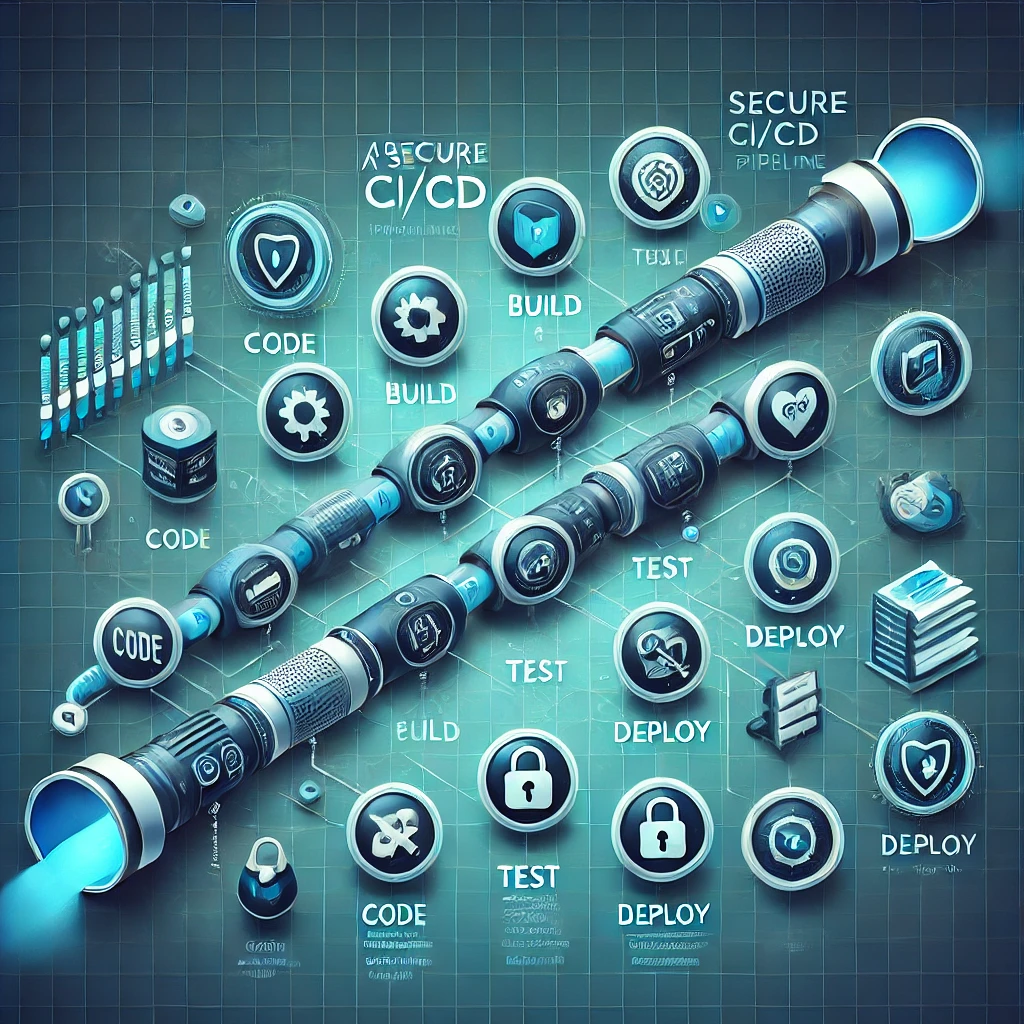
Architecting a Secure CI/CD Pipeline
Introduction
Continuous Integration/Continuous Deployment (CI/CD) pipelines are central to modern software development practices, enabling rapid, reliable, and automated code deployment. However, the speed and automation that make CI/CD pipelines so effective can also expose them to a range of security risks. Therefore, architecting a secure CI/CD pipeline is essential to protect the codebase, maintain data integrity, and safeguard against unauthorized access.
Key Components of a Secure CI/CD Pipeline
1. Source Code Repository Security
- Access Control: Implement strict access controls to the source code repository. Use role-based access controls (RBAC) to ensure only authorized personnel can make changes.
- Branch Protection: Use branch protection rules to prevent unauthorized changes and ensure code reviews.
- Audit Trails: Maintain audit trails for all changes to enable tracking and rollback if necessary.
2. Dependency Management
- Vulnerability Scanning: Regularly scan dependencies for known vulnerabilities using tools like OWASP Dependency Check.
- Secure Software Supply Chain: Use trusted sources for dependencies and maintain a software bill of materials (SBOM).
3. Secure Build Process
- Automated Security Testing: Integrate security testing tools (SAST, DAST) into the build process to identify vulnerabilities early.
- Immutable Build Artifacts: Ensure build artifacts are immutable to prevent tampering.
4. Environment Management
- Separation of Environments: Maintain separate environments for development, testing, and production.
- Infrastructure as Code (IaC): Use IaC for consistent and secure environment configuration.
5. Deployment Security
- Automated Deployment Gates: Implement automated gates in the deployment process to ensure only secure, tested code is deployed.
- Blue/Green Deployments: Use blue/green deployment strategies to minimize downtime and risks.
6. Compliance and Audit
- Compliance Checks: Integrate compliance checks into the pipeline to adhere to industry standards (e.g., GDPR, HIPAA).
- Continuous Monitoring: Monitor applications and infrastructure continuously for unusual activities or breaches.
7. Access Management in CI/CD Tools
- Tool-specific Access Controls: Implement RBAC in CI/CD tools.
- Secrets Management: Use secrets management tools to handle API keys, credentials, and other sensitive data securely.
8. Continuous Education and Awareness
- Training: Regularly train the development and operations teams on security best practices and emerging threats.
- Security Champions: Implement a security champions program within the development teams to foster a security-focused culture.
Best Practices for Secure CI/CD Pipeline
- Principle of Least Privilege: Apply the principle of least privilege across the pipeline.
- Regular Security Audits: Conduct regular security audits of the CI/CD pipeline.
- Keep Tools Updated: Regularly update CI/CD tools and dependencies to patch known vulnerabilities.
- Incident Response Plan: Develop a robust incident response plan for handling security incidents.
Conclusion
In the rapidly evolving landscape of software development, securing the CI/CD pipeline is not just a necessity but a continuous process. By implementing robust security practices, tools, and a culture of security awareness, organizations can significantly mitigate risks and enhance the security of their software delivery process.



Post Comment