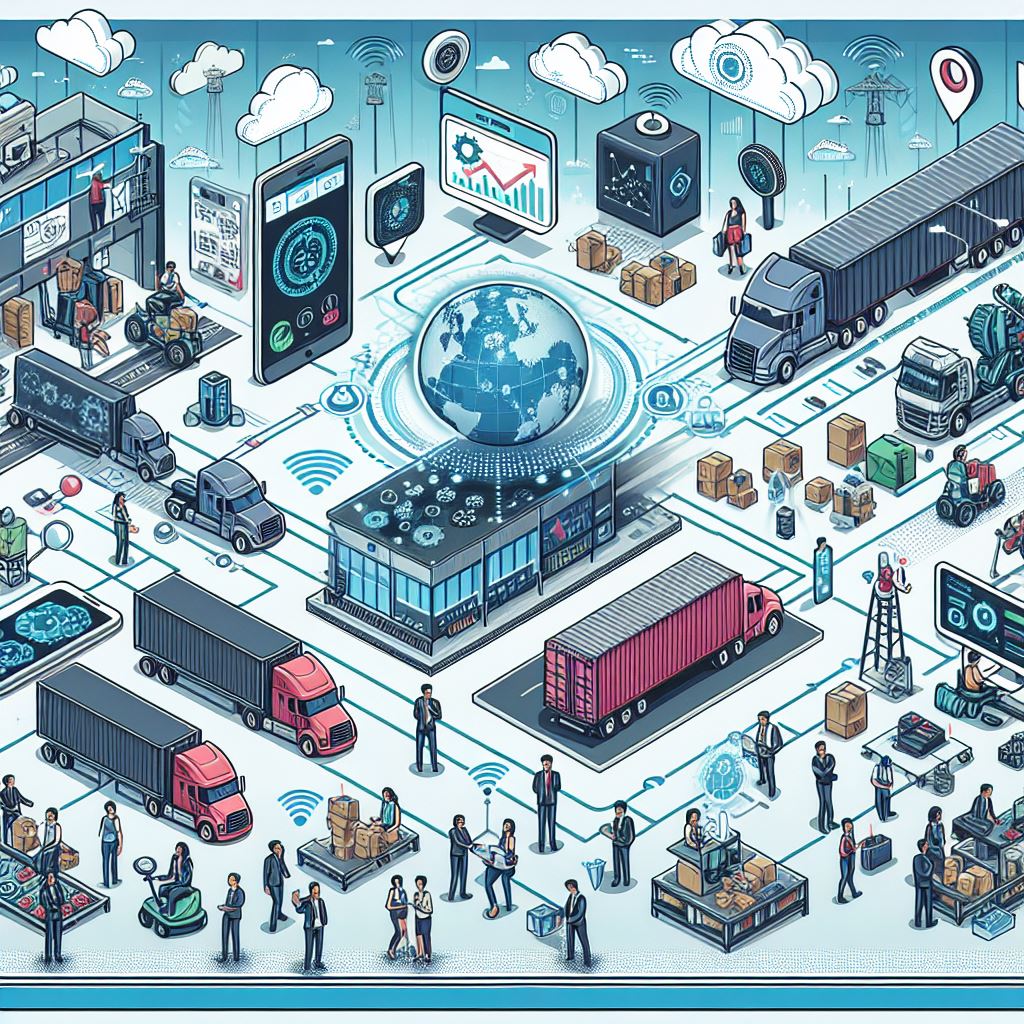
The Role of Edge Computing in Transforming the Logistics and Supply Chain Industry
The Need for Transformation
In recent years, the logistics and supply chain industry has been undergoing significant transformations, driven by the rapid evolution of technology. Among these technological advancements, edge computing emerges as a pivotal innovation, promising to redefine operational efficiencies, enhance decision-making processes, and improve overall customer satisfaction. This article explores the role of edge computing in the logistics and supply chain industry, highlighting its benefits, applications, and potential challenges.
Understanding Edge Computing
Edge computing refers to the practice of processing data near the source of data generation, rather than relying on a centralized data-processing warehouse. This approach minimizes latency, reduces bandwidth use, and enhances the responsiveness of computing applications. In the context of logistics and supply chains, edge computing enables real-time data analysis, immediate decision-making, and seamless integration of various components within the supply chain.
Benefits of Edge Computing in Logistics and Supply Chains
Enhanced Real-Time Decision Making
With edge computing, logistics companies can analyze data in real-time, allowing for immediate adjustments to routing, scheduling, and delivery processes. This capability is crucial in handling unexpected delays, optimizing routes, and improving overall operational efficiency.
Increased Operational Efficiency
By processing data locally, edge computing significantly reduces latency, enabling faster response times and more efficient operations. For instance, edge devices can monitor and manage inventory levels in real-time, automating restocking processes and reducing the risk of stockouts or overstocking.
Improved Customer Satisfaction
Real-time tracking and analysis capabilities enable logistics companies to provide customers with up-to-date information about their orders. This transparency improves customer satisfaction and trust, leading to stronger customer relationships and loyalty.
Enhanced Security
Edge computing can improve data security in logistics operations by minimizing the amount of data transmitted over the network, thereby reducing the exposure to potential cyber threats. Local data processing also ensures that sensitive information can be encrypted and securely managed on-site.
Applications of Edge Computing in Logistics and Supply Chains
- Real-time Tracking and Monitoring: Edge computing allows for the real-time tracking of goods and vehicles, providing valuable insights into their status, location, and condition. This information is crucial for optimizing routes, ensuring the integrity of perishable goods, and enhancing the overall reliability of the supply chain.
- Predictive Maintenance: By analyzing data from sensors on vehicles and equipment, edge computing enables predictive maintenance, identifying potential issues before they lead to breakdowns. This proactive approach reduces downtime and maintenance costs.
- Warehouse Management: In warehouses, edge computing devices can automate inventory management, optimizing storage, and retrieval processes. This leads to increased accuracy, efficiency, and a reduction in human errors.
- Smart Logistics: Edge computing facilitates the development of smart logistics solutions, integrating IoT devices, autonomous vehicles, and drones. These technologies can streamline operations, reduce costs, and improve delivery times.
Challenges and Considerations
While edge computing offers numerous benefits, its implementation comes with challenges. These include the need for investment in new technologies, concerns about data privacy and security, and the requirement for skilled personnel to manage and maintain edge computing infrastructure. Additionally, companies must ensure the interoperability of edge computing systems with existing IT infrastructure to maximize their potential.
Conclusion
Edge computing stands at the forefront of technological innovations reshaping the logistics and supply chain industry. By facilitating real-time data processing, enhancing operational efficiencies, and improving customer experiences, edge computing holds the promise of driving significant improvements across the industry. However, to fully leverage its benefits, businesses must navigate the associated challenges, investing in the necessary technologies, skills, and strategies to integrate edge computing into their operations effectively. As the technology matures and becomes more accessible, edge computing is poised to become a key differentiator in the competitive landscape of logistics and supply chains.

Post Comment