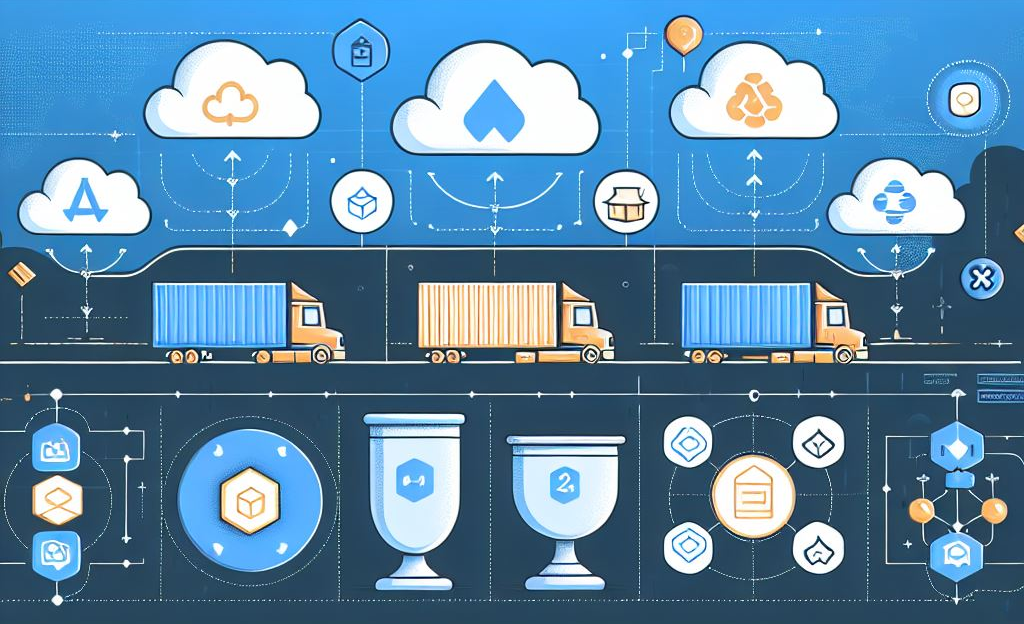
Container Placement Best Practices on Cloud Platforms: A High Level Guide
In today’s cloud-native landscape, effectively placing and managing containers across cloud infrastructure can significantly impact your application’s performance, cost-efficiency, and reliability. This guide explores best practices for container placement that will help you optimize your cloud deployments.
Understanding Container Placement Fundamentals
Container placement refers to the strategy of determining where and how containers should run across your cloud infrastructure. This decision process involves multiple factors including resource utilization, availability requirements, and cost considerations. For Kubernetes environments, this is handled through the scheduler.
Key Best Practices
1. Resource-Based Placement
- CPU and Memory Allocation
- Right-size containers based on actual resource needs
- Use resource requests and limits to prevent resource contention
- Monitor usage patterns to adjust allocations dynamically
- Implement LimitRanges for resource constraints
- Storage Requirements
- Place containers with high I/O demands on nodes with SSD storage
- Consider data locality when placing stateful containers
- Use storage classes appropriate for your cloud provider
- Implement persistent volumes for stateful applications
2. Availability and Resilience
- Zone Distribution
- Spread containers across multiple availability zones
- Use pod anti-affinity rules and topologyspreadconstraints to prevent single points of failure
- Implement proper replication strategies for critical services
- Network Topology
- Place interconnected containers in the same zone to minimize latency
- Consider network bandwidth requirements when selecting node types
- Use service mesh for complex networking requirements
- Implement network policies for traffic control
3. Cost Optimization
- Instance Selection
- Choose appropriate node pools based on workload characteristics
- Utilize spot/preemptible instances for fault-tolerant workloads
- Consider reserved instances for stable, long-running containers
- Auto-scaling Strategy
- Implement Horizontal Pod Autoscaling based on metrics
- Use Cluster Autoscaler to optimize node utilization
- Set up proper scaling thresholds to balance cost and performance
4. Security and Compliance
- Isolation Requirements
- Use node selectors and taints to enforce security boundaries
- Implement network policies to control container communication
- Consider dedicated nodes for sensitive workloads
5. Performance Optimization
- Affinity Rules
- Co-locate containers that frequently communicate using pod affinity
- Use node affinity for hardware-specific requirements
- Implement pod topology spread constraints for balanced distribution
Implementation Guidelines
Define Clear Policies
- Document placement rules and requirements
- Use labels and annotations effectively
- Implement automated policy enforcement using OPA Gatekeeper
Monitor and Adjust
- Set up comprehensive monitoring
- Track key performance indicators
- Regularly review and optimize placement decisions
- Use Prometheus and Grafana for metrics
Automate Deployment
- Use infrastructure as code
- Implement CI/CD pipelines
- Automate scaling and placement decisions using Custom Controllers
Common Pitfalls to Avoid
Over-provisioning Resources
- Don’t allocate more resources than necessary
- Regular right-sizing exercises are essential
- Use Vertical Pod Autoscaler for automated right-sizing
Ignoring Network Requirements
- Consider latency requirements
- Plan for bandwidth needs using Quality of Service
- Account for data transfer costs
Neglecting Maintenance Windows
- Plan for node upgrades and maintenance
- Implement proper drain and cordon procedures
- Consider time zones when scheduling maintenance
- Use Pod Disruption Budgets for controlled maintenance
Cloud-Specific Considerations
AWS
- Leverage placement groups for high-performance computing
- Use ECS capacity providers for optimal scaling
- Consider AWS Fargate for serverless container deployment
- Implement EKS best practices
Google Cloud
- Utilize node pools effectively
- Implement regional clusters for high availability
- Consider GKE Autopilot for managed operations
Azure
- Use availability sets appropriately
- Leverage Azure Container Instances for burst scenarios
- Consider AKS best practices
Conclusion
Effective container placement is crucial for running successful cloud-native applications. By following these best practices and regularly reviewing your deployment strategies, you can achieve optimal performance, cost-efficiency, and reliability in your container deployments.
For more detailed information, visit the official Kubernetes documentation and your specific cloud provider’s container service documentation.
Remember that container placement strategies should evolve with your application needs and cloud provider capabilities. Regular review and optimization of your placement strategies will ensure continued success in your cloud-native journey.





1 comment